
Your insurer wants a new roof: what that means in Broward and Palm Beach
Published 2026-07-14 · Updated 2026-07-28 · 9 min read
The short answer
Florida insurers commonly decline or refuse to renew a policy when a roof is past a certain age, when a four-point inspection flags the roof or the electrical panel, or when there is no wind mitigation report on file. Your options are a documented inspection showing remaining service life, targeted corrections to the items the carrier named, or a full replacement. In every case, get a wind mitigation inspection afterwards, because it is what recovers part of the cost in premium.
If you are reading this, there is probably a letter on your kitchen counter. It says the carrier is non-renewing, or that it will renew only if the roof is replaced, or that the four-point inspection came back with items. We read these letters every week across Broward and Palm Beach, so here is what they actually mean and what you can do about each one.
Why do Florida insurers care about the roof more than anything else?
Because the roof is where almost every large claim starts. Once water gets past the covering, the loss stops being a roof claim and becomes a ceiling, drywall, flooring, cabinetry and contents claim. Carriers writing in a hurricane state price that risk hard, and the simplest lever they have is the age and condition of the roof.
That is why a roof in good visible condition can still trigger a letter. The underwriter is not looking at the same thing your neighbour is looking at from the street.
What does a four-point inspection actually cover?
Four systems, which is where the name comes from. It is typically requested on older homes and it is not a full home inspection.
- Roof: covering type, age, visible condition and remaining service life
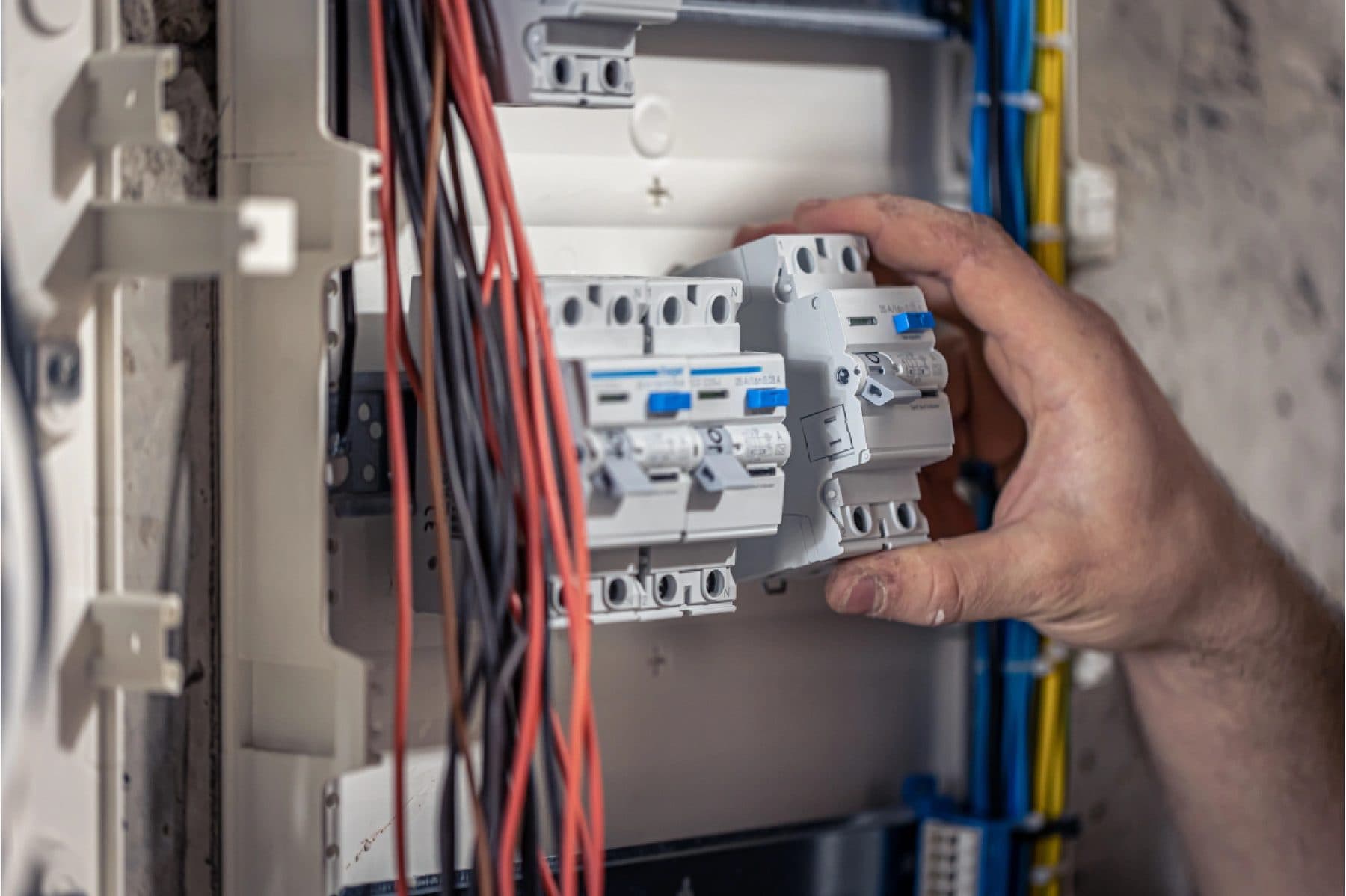
- Electrical: the panel and service, the wiring type, and whether the panel is an obsolete or recalled model
- Plumbing: supply and drain material, water heater age and any visible leaks
- HVAC: age, condition and whether the system is operational
Two of those four are trades we hold licences in ourselves, which is the practical reason a homeowner with a flagged report often ends up making two phone calls when one would do.
What is a wind mitigation inspection, and why does it pay you back?
A wind mitigation inspection documents the features of your home that resist hurricane wind. It is a separate report from the four-point, it is voluntary, and it exists to reduce your premium rather than to justify a refusal. The inspector records things like:
- Roof covering and whether it meets current code
- How the roof deck is attached, which usually means nail size and spacing
- The roof-to-wall connection, meaning clips, straps or nothing
- Roof geometry, since a hip roof performs better than a gable in wind
- Whether a secondary water barrier is present under the covering
- Opening protection, meaning impact-rated windows and doors or shutters
My carrier says the roof is too old. What are my options?
Option one: document the remaining service life
Age alone is not condition. A tile roof at thirty years with sound tile and a barrier that has been replaced along the way is a different asset from a shingle roof at eighteen. A dated, photographed inspection stating the remaining service life sometimes satisfies an underwriter, particularly on tile and metal. It does not always work, but it costs a site visit and it is the first thing to try.
Option two: correct only what was named
Read the letter closely. Carriers frequently name specific items rather than the whole roof: cracked boots, missing tiles, a lifted ridge, a corroded valley, or on the electrical side an obsolete panel. Correcting the named items and returning documentation is far cheaper than a replacement and often ends the conversation.
Option three: replace
When the covering is genuinely at the end of its life, replacement is the answer, and the wind mitigation report afterwards recovers part of the cost every year for as long as you hold the policy. It is also the moment to deal with anything else the four-point flagged, because the permit is already open and the access is already there.
Does the county change anything?
Not for the insurance side, but yes for the work. Broward and Palm Beach municipalities each run their own building department, with their own submittal requirements and inspection scheduling. The permit is pulled where the property sits, not where the contractor sits, which is why a contractor working both counties has to know both processes.
We work the coast and the western suburbs from one office in Deerfield Beach. These are the cities where we handle carrier-driven work most often:
- Boca Raton, FL
- Delray Beach, FL
- Boynton Beach, FL
- Pompano Beach, FL
- Fort Lauderdale, FL
- Coral Springs, FL
What we do when a homeowner brings us a carrier letter
- Read the letter and separate what the carrier actually required from what it merely observed
- Inspect and photograph every item named, plus the things the inspector could not see from a ladder
- Quote the named corrections line by line, and quote a replacement separately so you can compare the two against your premium
- Do the work under our own licence, pull the permit and close it out
- Schedule the wind mitigation inspection at completion and hand you the documentation your carrier asked for
The short version
A carrier letter is not automatically a new roof. It is a list of items and a deadline. Get the items documented, correct what is genuinely failing, replace when the covering is actually finished, and never skip the wind mitigation report afterwards. The report is the only part of this process that pays you back.
Common questions
- Can my insurance company drop me because of my roof's age?
- Yes. Florida carriers routinely decline new policies and refuse renewals based on roof age, most often on shingle roofs approaching or past fifteen years and tile or metal roofs past twenty-five. The threshold varies by carrier and is set by their underwriting guidelines, not by law.
- How long is a four-point inspection valid for?
- Most carriers accept a four-point inspection for around twelve months, though some ask for a more recent one. Check the date requirement in the letter before paying for an inspection you may have to repeat.
- Does a wind mitigation inspection actually reduce my premium?
- It can, sometimes substantially, because Florida requires insurers to apply discounts for documented wind-resistant features. The size of the credit depends on what your home actually has: roof deck attachment, roof-to-wall connections, roof geometry, a secondary water barrier and opening protection. The inspection only helps if the features are there and documented.
- Will my insurance pay for the roof the carrier is requiring?
- Generally no. Carriers cover sudden damage from a covered event such as a storm, hail or a fallen tree. A roof that has aged out is maintenance, and maintenance is the homeowner's cost. That distinction is why a documented inspection immediately after a storm matters so much.
- Do I need to replace my electrical panel too?
- Only if the four-point flagged it. Obsolete and recalled panels are one of the most common non-roof reasons a Florida policy does not renew, and most residential panel replacements are a one-day job. We hold the electrical licence, so it can be quoted and corrected alongside the roof rather than as a separate project.
- How fast can this be done before my renewal date?
- Corrections are usually days. A shingle replacement is typically two to four working days once permitted, and tile seven to twelve. The variable is permitting, which depends on the municipality. Bring us the letter with the deadline on it and we will tell you honestly whether the date is achievable.
Keep reading
Roof repair or roof replacement: how to tell which one you need
Age alone does not decide it. What decides it is where the failure is, whether the deck is sound and how many repairs came before this one.
Tile roofs in South Florida: what they cost you, and what they give back
Tile is the longest-lived roof you can put on a Florida house and the most misunderstood. Here is the honest accounting of both sides.
Permits for roofing, electrical and solar in Broward and Palm Beach
What needs a permit, who is allowed to pull it, which inspections happen when, and why an open permit becomes your problem at closing.