
Tile roofs in South Florida: what they cost you, and what they give back
Published 2026-01-22 · Updated 2026-05-30 · 7 min read
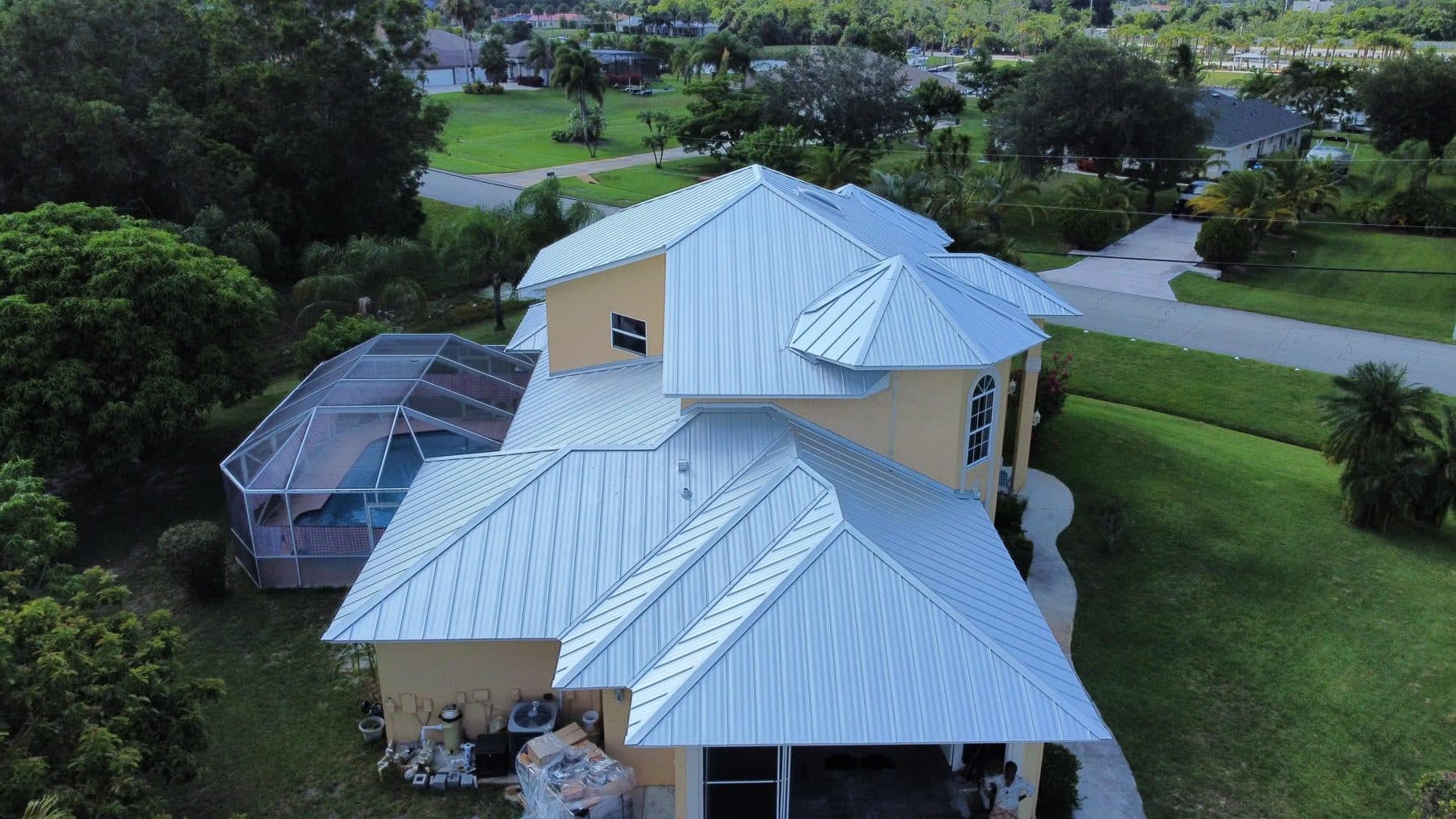
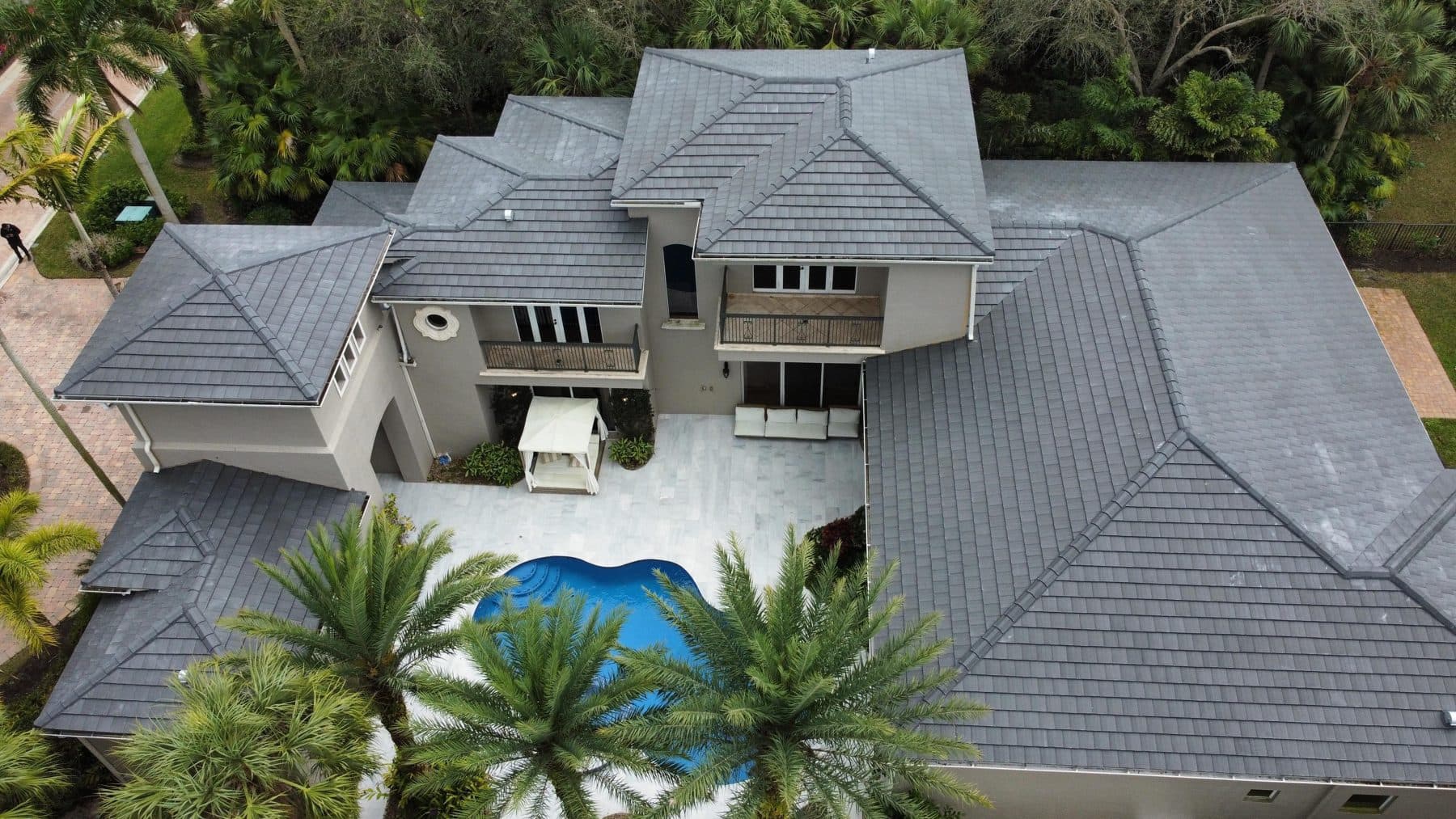
Tile is the default roof on Mediterranean-style homes across Boca Raton, Delray and Palm Beach, and for good reason. It is also the roof homeowners understand least, which is how people end up replacing a perfectly good tile roof when the actual problem was the layer underneath it.
What tile does well
It lasts a very long time
Concrete and clay tile carry a service life of roughly thirty to thirty-five years in this climate, and clay in particular has outlasted that on plenty of older homes here. Compared with an asphalt shingle roof that needs replacing twice in the same period, the arithmetic often favours tile even at a higher up-front price.
It handles heat instead of storing it
Tile sits on battens or on a raised profile, which leaves an air gap between the tile and the deck. That gap vents heat before it reaches the attic. On a South Florida August afternoon that is a measurable difference in what your air conditioning has to fight.
It resists what this climate throws
Tile does not burn, does not rot and does not interest insects. Properly fastened to current code, it performs well under hurricane-force wind. Salt air, which eats fasteners and corrodes metal, does very little to a clay or concrete tile.
It looks like it belongs here
This matters more than designers admit. A barrel tile roof on a Mediterranean-revival home reads as correct, and a shingle roof on the same house reads as a compromise. On resale, in these neighbourhoods, that is a real number.
What tile costs you
Up-front price
A tile roof costs meaningfully more per square foot than architectural shingle. The longer service life usually justifies it, but the cheque you write this year is bigger, and financing exists precisely because of that gap.
Weight
This is the point most guides get backwards. Tile is heavy. Concrete tile weighs several times what asphalt shingle weighs, and the roof structure has to be designed or verified to carry it. If you are converting a shingle roof to tile, the framing needs review first. If you are replacing tile with tile, this is not an issue.
It breaks under impact
Tile is durable and brittle at the same time. Hail, a falling branch or a person walking across it the wrong way will crack it. That last one matters: every time an untrained technician walks your tile roof to service an antenna or an air conditioner, you may be paying for tiles later.
Repairs are more involved
Replacing a tile means lifting the surrounding ones without breaking them, and matching a discontinued profile and colour is sometimes the hardest part of the job. This is skilled work, not a patch.
The part nobody tells you: the underlayment
The tile is not what keeps water out. It is the first line of defence, but the secondary water barrier underneath is what actually does the waterproofing, and it has a shorter life than the tile above it.
This is why a thirty-year-old tile roof can start leaking while every tile on it is still perfectly sound. The fix is a re-underlayment: lift the tile, replace the barrier, reset the tile, replace only what broke. It costs less than a full replacement and it buys the roof another couple of decades.
Common tile repairs
- Replacing cracked or missing tiles after a storm, before water reaches the barrier
- Re-underlayment where the secondary water barrier has aged out
- Flashing and valley repair, which is where most tile roof leaks actually originate
- Re-securing tiles that have slipped out of position over time
- Repointing mortar at hips and ridges where it has cracked away
Tile against the alternatives
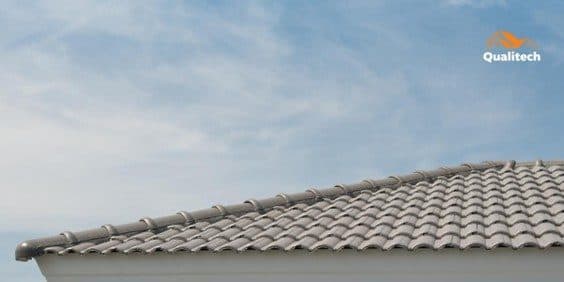
| Tile | Architectural shingle | Standing seam metal | |
|---|---|---|---|
| Service life here | 30 to 35 years | 15 to 20 years | 35 to 40 years |
| Up-front cost | High | Low | High |
| Weight | Heavy, needs structural capacity | Light | Light |
| Impact resistance | Brittle, cracks | Moderate | Dents but rarely fails |
| Repair complexity | Skilled, profile matching | Simple | Moderate |
| Fits the local architecture | Strongly | Neutral | Modern homes |
Maintenance that pays for itself
- Inspect after storms and high winds, looking for shifted or cracked pieces
- Keep the surface and gutters clear of leaves and debris so water does not pond
- Treat moss and algae early, since both hold moisture against the tile and the barrier
- Keep foot traffic off the roof, and use a contractor who knows how to walk tile when access is unavoidable
- Have the underlayment assessed professionally around the twenty-year mark, before it fails rather than after
The short version
Tile is the right roof for most Mediterranean-style South Florida homes: it lasts, it handles heat, and it suits the architecture. Budget for the up-front cost, confirm the structure can carry it if you are converting, keep people off it, and plan for a re-underlayment somewhere in the second half of its life rather than treating the first leak as a death sentence.
Keep reading
Roof repair or roof replacement: how to tell which one you need
Age alone does not decide it. What decides it is where the failure is, whether the deck is sound and how many repairs came before this one.
Your insurer wants a new roof: what that means in Broward and Palm Beach
Non-renewal letters, four-point inspections and wind mitigation reports, explained by a licensed Florida contractor who reads these every week.
Permits for roofing, electrical and solar in Broward and Palm Beach
What needs a permit, who is allowed to pull it, which inspections happen when, and why an open permit becomes your problem at closing.