
Roof repair or roof replacement: how to tell which one you need
Published 2026-02-11 · Updated 2026-06-18 · 8 min read
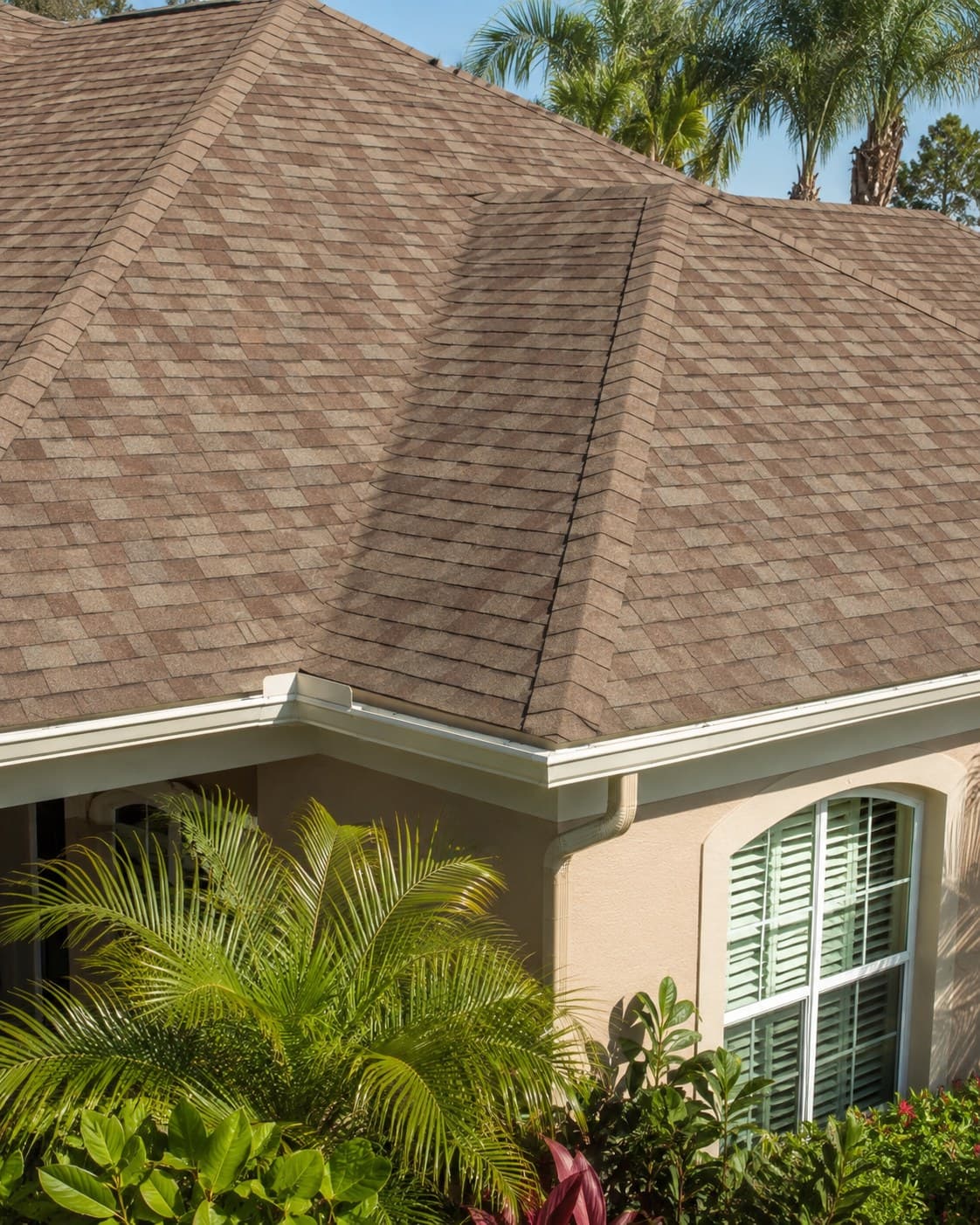
Every homeowner who calls us about a leak asks the same question in the first minute: do I need a repair or a whole new roof? The answer is rarely about age. It is about where the failure sits, what the deck underneath looks like once we open it, and how many repairs this roof has already absorbed.
This guide is how we make that call on a South Florida roof, written so you can apply the same reasoning before anyone gives you a number.
What actually fails on a Florida roof
Roofs here are not fighting snow load or freeze-thaw cycles. They are fighting ultraviolet radiation, wind uplift, salt air and rain that arrives sideways. That changes what breaks first, and it is almost never the part you can see from the street.
- Underlayment. The secondary water barrier under the tile or shingle is the layer actually keeping water out. It ages out well before the surface does.
- Flashing and valley metal. Where the roof meets a wall, a chimney or another roof plane is where most leaks start.
- Fasteners and uplift. Wind does not usually tear a roof off in one piece. It lifts an edge, works the fasteners loose over several storms, and then a normal afternoon rain finds the gap.
- Ventilation. An attic running hot cooks the shingles from underneath and shortens their life by years.
- Pipe boots and penetrations. Rubber boots around plumbing vents crack under ultraviolet load long before anything else fails.
Warning signs worth a phone call
- Water stains on a ceiling or an interior wall, even faint ones that are not growing
- Missing, curling, cracked or loose shingles after a storm
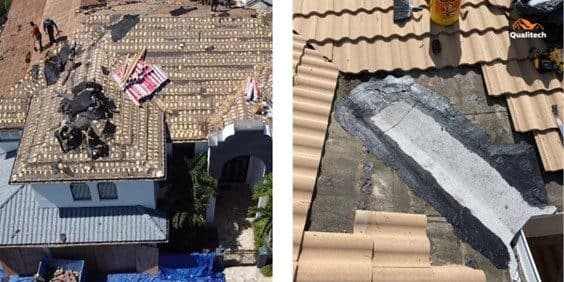
- Displaced or broken tiles, or tiles that shifted out of alignment
- A sagging roof line, or a spot in the attic that feels soft underfoot
- Shingle granules collecting in the gutters
- Mould, algae or moss on the roof surface, or a damp smell in the attic
When a repair is the right answer
A repair holds up when three things are true at once. The damage is confined to a defined area rather than showing up in several places. The roof is comfortably inside its expected service life. And the decking underneath is dry and structurally solid when we lift the covering.
Typical repair cases: a ridge lifted by a storm, a single failed pipe boot, a cracked run of tile after a branch came down, a section of valley metal that corroded. These are hours to a day of work, and replacing the whole roof for them is a waste of your money.
When replacement is the cheaper decision
Replacement wins when repairs stop being repairs and start being a subscription. Concretely:
- Leaks appear in more than one location, which usually means the underlayment has aged out rather than a single component failing
- The roof is at or past its expected service life for the material
- You have paid for two or more repairs in the last few years
- The decking is soft, delaminated or rotten across more than an isolated patch
- Damage passes roughly a quarter of the roof area, at which point Florida code often requires bringing the whole system current anyway
Service life by material in this climate
| Material | Service life here | Typical repair frequency |
|---|---|---|
| Architectural asphalt shingle | 15 to 20 years | Moderate |
| Concrete or clay tile | 30 to 35 years | Low, but underlayment needs replacing mid-life |
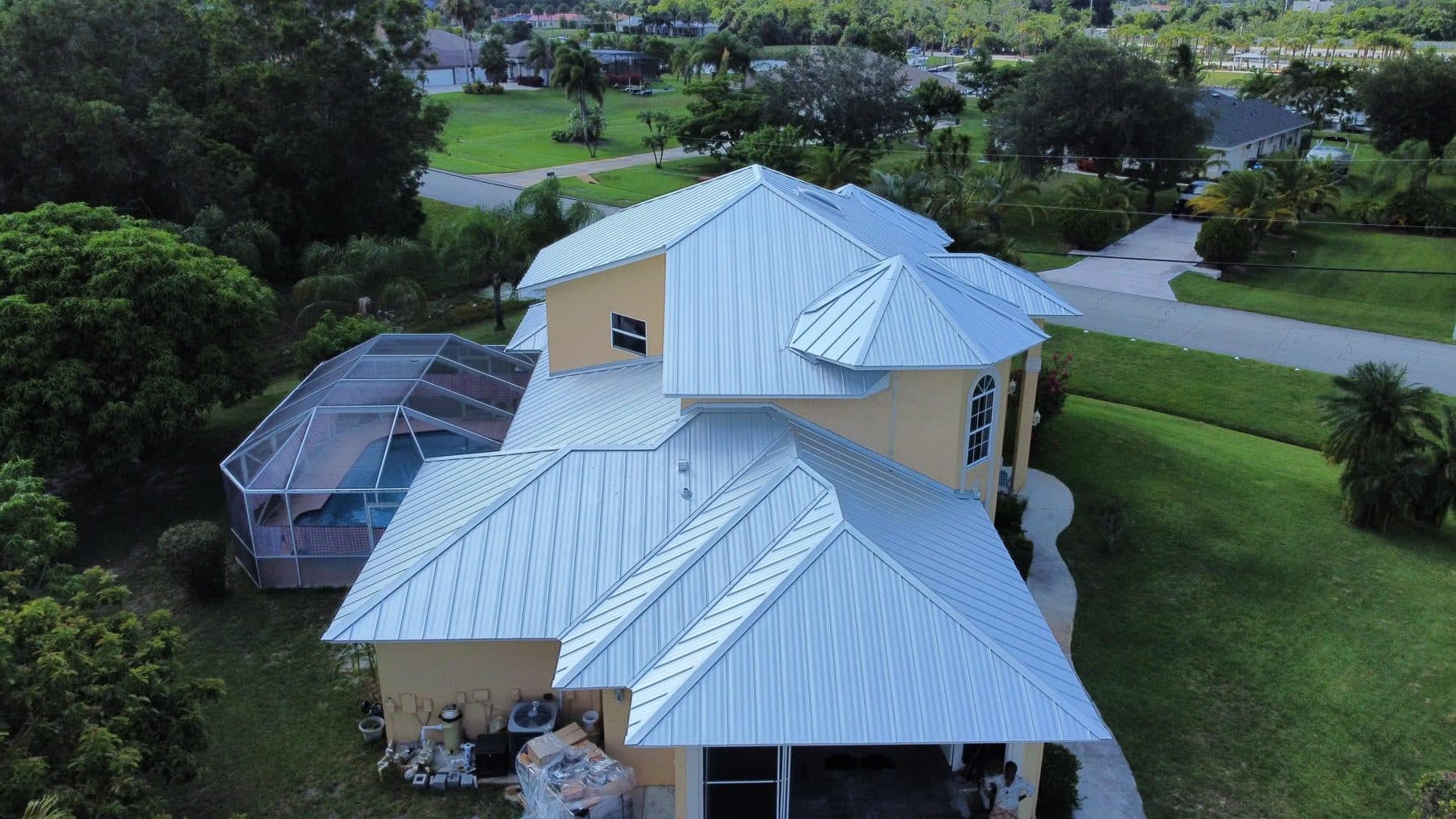
| Standing seam metal | 35 to 40 years | Low |
| Modified bitumen, low slope | 12 to 20 years | Moderate to high |
Note the row on tile. A tile roof can outlive two underlayments. When someone tells you a thirty-year-old tile roof needs full replacement, the honest question is whether the tile is failing or the layer beneath it is, because those are very different invoices.
Will insurance cover it?
Carriers generally cover sudden damage from a covered event: a named storm, hail, a fallen tree. They generally do not cover deterioration from age or deferred maintenance. That distinction is why documentation matters so much. A dated, photographed inspection performed shortly after the event is what a claim stands on.
We document in the format adjusters expect and will meet your adjuster on site. We will not tell you what your carrier will decide, because that is not our decision to make.
Maintenance that actually extends roof life
- Inspect twice a year, and again after any named storm
- Keep gutters and downspouts clear so water leaves the roof instead of backing up under the edge
- Trim branches back from the roof line before hurricane season, not after
- Check the attic for daylight, damp insulation and heat build-up
- Treat algae and moss growth early, before it holds moisture against the surface
- Have a professional inspection every two to three years, and document it
Should you do it yourself?
Replacing one visible shingle looks like a fifty dollar job. Two things go wrong. The first is falls, which are the leading cause of serious injury in this trade and do not care that you were only up there for a minute. The second is that a surface repair over a failed underlayment hides the leak without fixing it, and you find out how much water got in when the ceiling comes down eighteen months later.
The short version
Localised damage, sound deck, roof inside its service life: repair. Multiple leaks, aged underlayment, a history of repairs or a compromised deck: replace. Anyone who tells you which one you need before getting on the roof is guessing.
Keep reading
Tile roofs in South Florida: what they cost you, and what they give back
Tile is the longest-lived roof you can put on a Florida house and the most misunderstood. Here is the honest accounting of both sides.
Your insurer wants a new roof: what that means in Broward and Palm Beach
Non-renewal letters, four-point inspections and wind mitigation reports, explained by a licensed Florida contractor who reads these every week.
Permits for roofing, electrical and solar in Broward and Palm Beach
What needs a permit, who is allowed to pull it, which inspections happen when, and why an open permit becomes your problem at closing.